Why Your Magnesium May Not Be Working —
And Why Your Saffron May Not Even Be Saffron
A calming formula can list the right ingredients and still miss the reason you bought it. The real difference often hides behind the words on the label: where the ingredient came from, what form it truly is, how much you actually get, and whether this batch matches the last one.
When your body feels tired but your mind keeps talking, it is easy to blame yourself.
Maybe you think magnesium “just does not work” for you. Maybe saffron sounds too gentle to matter. Maybe you assume you need something stronger.
But your body may not be the problem.
- Your magnesium may be playing a numbers game
- Chelation should be verified
- Your saffron may not even be saffron
- Why Affron® instead of generic saffron
- A tired body is only one part
- Body–Mind–Mood Synchronization
- The six-question test
- One formula vs. three bottles
- How to take Calm+Rest
- 90 days, zero risk
The problem may be what we call the Label-to-Lot Gap: the space between an impressive name on a label and the actual ingredient inside the current bottle.
That gap can hide four things:
Calm+Rest was built to close those gaps—and to support the body, mind, and mood together.
1. Your magnesium may be playing a numbers game
“1,000 mg magnesium” sounds powerful.
But there are two numbers you need to know:
- Compound weight: the total weight of magnesium plus the material attached to it.
- Elemental magnesium: the magnesium itself.
Only the elemental number tells you how much magnesium the serving provides.
Serving size matters, too. A large front-label number can look generous until you discover that it takes three or four capsules to reach it.
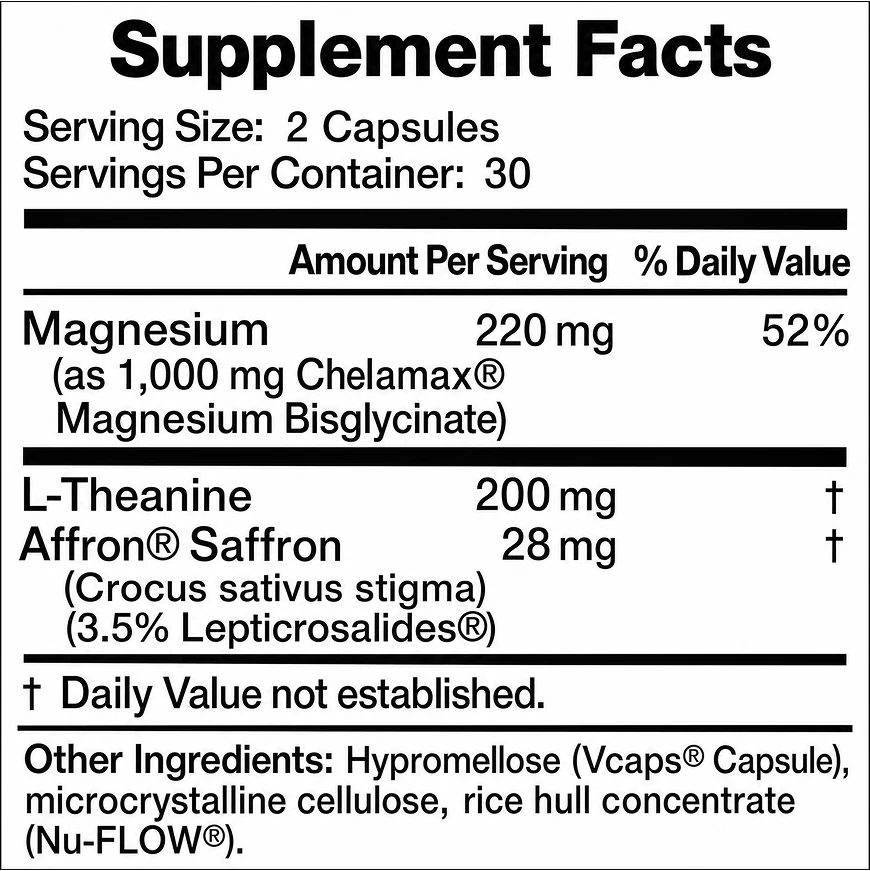
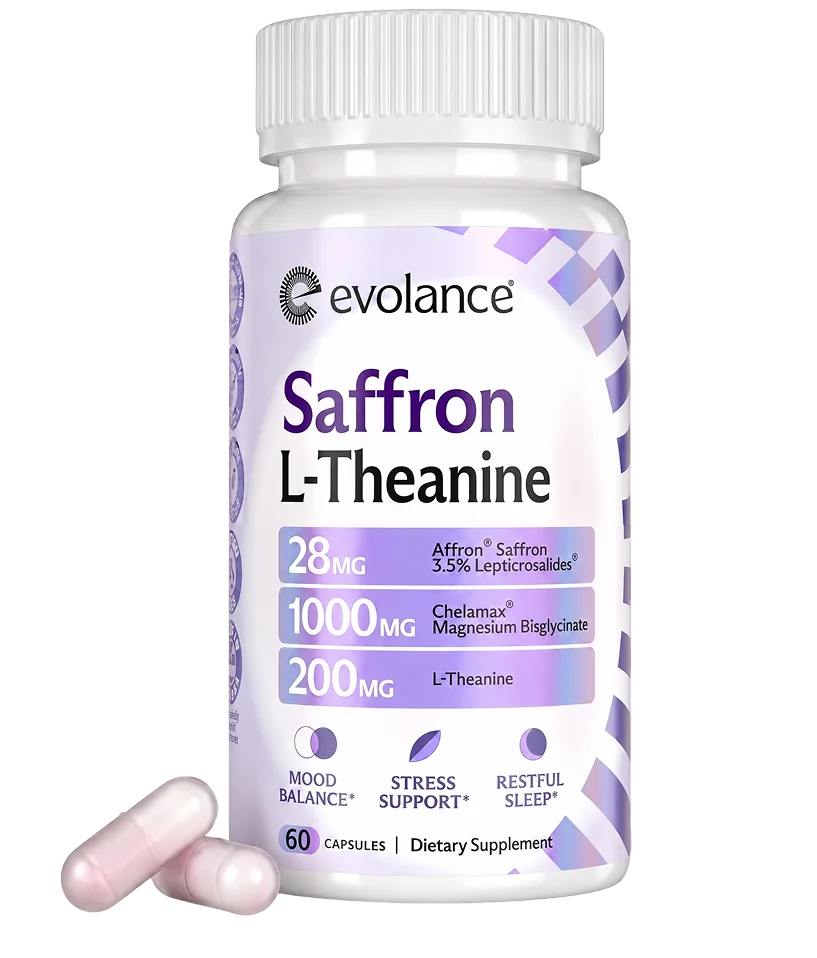
Calm+Rest shows the full math: 1,000 mg of Chelamax® magnesium bisglycinate provides 220 mg of elemental magnesium per two-capsule serving—52% of the Daily Value.
Nothing is hidden behind the larger compound number.
The form matters, too. Magnesium oxide is cheap and compact, but a human bioavailability study reported absorption of only about 4%. That is one reason the biggest magnesium number is not always the most useful one.
A 2025 randomized, placebo-controlled human study also found that 250 mg of elemental magnesium as bisglycinate produced a modest improvement in insomnia severity over four weeks. It is a reminder to look past “magnesium” and ask which form—and how much elemental magnesium—was actually studied.
2. “Glycinate” can be printed. Chelation should be verified.
The word glycinate names a form. By itself, it does not show you:
- who made the raw material;
- whether the intended magnesium-glycine structure was verified;
- where the magnesium came from;
- or whether the next batch will match this one.
Think of “glycinate” like the word “coffee.” It tells you the category—not the farm, the process, or what is really in the bag.
Calm+Rest uses Chelamax® magnesium bisglycinate, made by Innophos. Innophos uses a three-step verification process to check:
Is the ingredient built like the intended chelate?
Is unwanted material present?
Does one batch keep the same identifying fingerprint as the next?
The instruments have long names. Their job is simple: verify the bond, check the material, compare the batch.
That matters because the magnesium journey begins long before a capsule says “Made in the USA.” Calm+Rest traces its Chelamax® magnesium from mineral-rich Dead Sea brine to Innophos in North Salt Lake, Utah, before the finished formula is encapsulated in Miami, Florida.
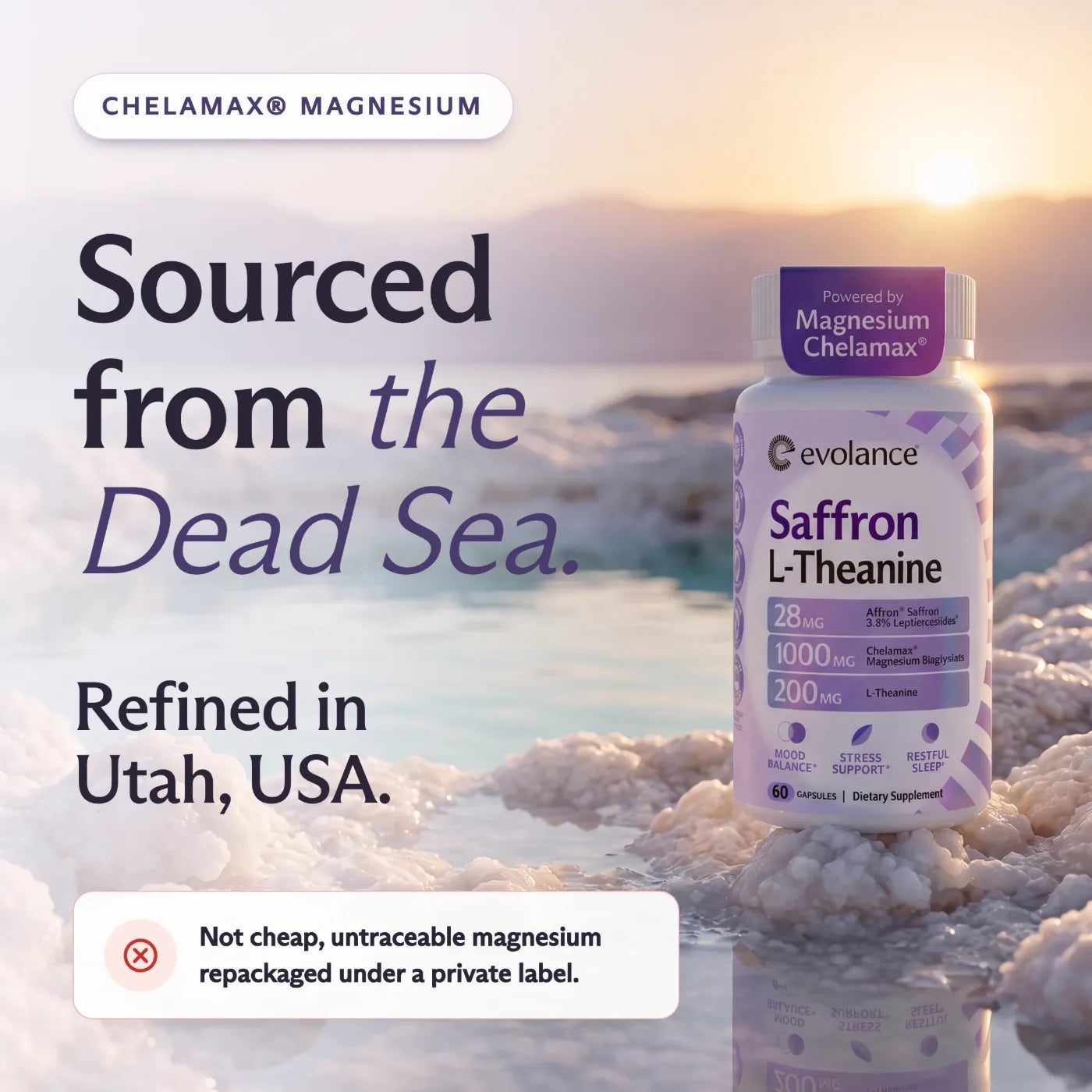
Source. Maker. Route. Finished lot.
That is traceability—not just a familiar word printed on a label.
Every finished Calm+Rest batch is also third-party tested for potency, purity, and contaminants. The current certificate of analysis is available from Evolance on request.
3. Your saffron may not even be saffron
Saffron is made from the tiny red stigmas of Crocus sativus. It takes a great deal of careful harvesting to produce a small amount, which helps make saffron one of the world’s most valuable spices.
That value also makes it a target.
Reported saffron adulterants include safflower, turmeric, calendula, colorants, and other undeclared plant material. In a 2023 analysis of 17 saffron supplements, researchers found label-content discrepancies in 65% of the products tested.
But even real saffron can vary.
Weather, soil, harvest timing, storage, and processing can change a plant’s natural compounds. So a bottle can contain genuine saffron and still deliver a different chemical profile from one batch to the next.
That is why more saffron milligrams do not automatically mean more value. A larger amount of unstandardized powder may tell you less than a smaller amount of a named extract with a measured marker level.
The better question is not “How much saffron?”
It is: Which saffron, extracted how, standardized to what, and checked by whom?
4. Why Calm+Rest uses Affron® instead of generic saffron powder
Calm+Rest provides 28 mg of Affron® per serving.
Affron® is a US-patented saffron extract made from Crocus sativus grown in Spain. It uses an exclusive, proprietary, low-temperature, solvent-free extraction process designed to preserve the compounds the finished extract is standardized to deliver.
Its identity begins with selected saffron stigmas and DNA authentication. Its consistency is then measured by HPLC testing to at least 3.5% Lepticrosalides®, Affron’s defined measure of key saffron compounds.
This is not a vague dusting of “premium saffron.” It is a named extract with a defined dose, process, and marker level.
The 28 mg in Calm+Rest is also the amount used in published human studies of Affron®.
5. A tired body is only one part of a restless night
You can feel exhausted and still have a mind that will not stop replaying the day.
That is why Calm+Rest adds 200 mg of L-theanine.
L-theanine is an amino acid naturally found in tea. Human research has linked it with alpha-wave activity—the brain pattern associated with relaxed attention.
In simple language: it is included to help quiet racing thoughts and reduce mental chatter without trying to knock you out.
No groggy “off switch.” No melatonin. Just support for a calmer, less grippy mental state when your head will not let the day go.
Body–Mind–Mood Synchronization: why all three belong together
Calm is not always a one-lane problem.
Sometimes your body holds the tension.
Sometimes your mind keeps racing.
Sometimes your mood is still carrying the day.
That is the thinking behind Body–Mind–Mood Synchronization, or BMMS. It is Evolance’s formulation framework—a simple way to explain why Calm+Rest combines three complementary ingredients instead of asking one ingredient to do everything.
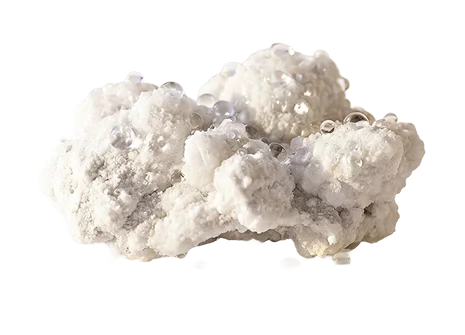
1,000 mg Chelamax® magnesium bisglycinate
Provides 220 mg elemental magnesium—52% Daily Value—to support normal muscle and nerve function.
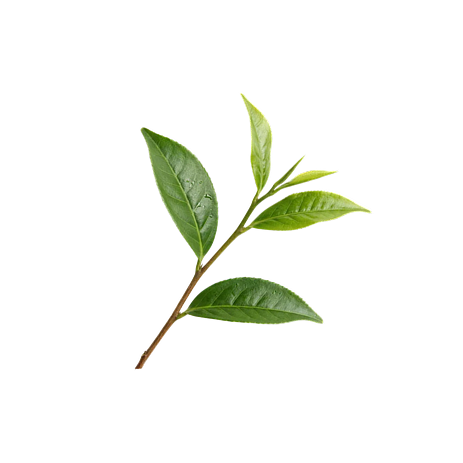
200 mg L-theanine
Supports a calmer, less cluttered mental state when racing thoughts keep pulling your attention back in.

28 mg Affron® saffron extract
A patented, standardized extract studied at the same daily amount for stress and emotional well-being support.
Three ingredients. Three different jobs. One nightly formula designed to help the whole system settle together.
The six-question calm supplement test
You do not need a chemistry degree. Before buying any calm formula, ask:
- What is the elemental magnesium amount? Do not confuse it with compound weight.
- How many capsules deliver that amount? Check the full serving size.
- Who made the magnesium? A generic form name is only the beginning.
- Can the chelation be verified? Look for a real verification method, not only the word “glycinate.”
- How is the saffron standardized? Look for a named extract, a marker level, and a repeatable test.
- Can you see current-batch proof? An old logo or sample report is not the certificate for the lot in your bottle.
Calm+Rest puts those answers on the record:
- 220 mg elemental magnesium from 1,000 mg Chelamax® magnesium bisglycinate
- 52% Daily Value in a two-capsule serving
- Dead Sea brine origin, Innophos processing in Utah, and final encapsulation in Miami
- Three-step Chelamax® verification
- 200 mg L-theanine
- 28 mg Affron®, standardized to at least 3.5% Lepticrosalides®
- Third-party finished-batch testing, with the current certificate available on request
- No melatonin
 Third-party testedEvery batch, independent lab
 GMP facilityEncapsulated in Miami, USA
 Made in USAGlobally sourced
 Studied dosesAffron® 28 mg · L-theanine 200 mg
That is the Calm+Rest standard: not a louder promise—a clearer chain of proof.
One formula can also cost less than three separate bottles
You could build the same three-part routine one bottle at a time. But then you are buying three products, checking three labels, managing three reorders, and hoping the doses line up.
Here is what comparable standalone products typically cost per month:
| Ingredient bought separately | Typical monthly retail estimate |
|---|---|
| Magnesium bisglycinate providing about 200–220 mg elemental magnesium | $25–$35 |
| L-theanine providing 200 mg | $15–$20 |
| Affron® saffron providing 28 mg | $30–$45 |
| Estimated three-bottle total | $70–$100 |
| Calm+Rest Subscribe & Save — all three in one formula | $34.98/month |
That is about $1.17 per day for one bottle with all three labeled doses—and potentially $35 or more left in your pocket each month compared with building a similar three-bottle stack.
The convenience matters, too: one serving, one reorder, and no guessing whether three separate products were designed to work as one routine.
Standalone prices are retail estimates for comparable single-ingredient products and will vary by brand and offer. The Calm+Rest price shown is the current Subscribe & Save price for one bottle delivered every four weeks. One-time purchase pricing is different. Subscriptions can be skipped, paused, or canceled.
How to take Calm+Rest
One daily serving is two capsules. Each bottle contains 60 capsules—a full 30-day supply.
Choose the routine that fits the kind of support you want:
Take both capsules 30–60 minutes before bed.
Take both capsules with breakfast.
Take one capsule in the morning and one in the evening.
You can take Calm+Rest with or without food. The important part is using the full two-capsule daily serving consistently instead of judging the formula from one unusually difficult night.
Follow the label directions. Speak with your doctor or pharmacist before starting any supplement if you take medication, are pregnant or breastfeeding, or have a medical condition.
Try it without making it a leap of faith
Your order is covered by Evolance’s 90-day money-back guarantee. That gives you time to use the formula as directed and decide how it fits your own routine.
References
- U.S. Food and Drug Administration. “Questions and Answers on Dietary Supplements.”fda.gov/food/information-consumers-using-dietary-supplements/questions-and-answers-dietary-supplements
- Firoz M, Graber M. Bioavailability of US commercial magnesium preparations. Magnesium Research. 2001;14(4):257–262.pubmed.ncbi.nlm.nih.gov/11794633/
- Schuster J, Cycelskij I, Lopresti A, Hahn A. Magnesium bisglycinate supplementation in healthy adults reporting poor sleep: a randomized, placebo-controlled trial. Nature and Science of Sleep. 2025;17:2027–2040.pubmed.ncbi.nlm.nih.gov/40918053/
- Innophos. Chelamax® Magnesium Bisglycinate product and verification information.innophos.com/products/chelamax-magnesium-bisglycinate
- TraceGains Gather. Chelamax® Magnesium Glycinate Fortified source and manufacturing listing.gather.tracegains.com/market/chelamaxr-magnesium-glycinate-fortified-mg-18-grn-innophos-inc
- Guijarro-Díez M, et al. Saffron authentication and adulteration detection in commercial food supplements. Foods. 2023;12(22):4071.mdpi.com/2304-8158/12/22/4071
- Affron®. Ingredient, process, patent, and standardization information.affronsaffron.com
- Pharmactive Biotech Products. MFDS recognition of Affron® in South Korea. February 2026.usa.pharmactive.eu/mfds-approval-saffron-extract-affron-south-korea/
- South Korea Ministry of Food and Drug Safety. Individual functional ingredient recognition record 2025-65.foodsafetykorea.go.kr — MFDS recognition record, notice no. 1108650
- Nobre AC, Rao A, Owen GN. L-theanine, a natural constituent in tea, and its effect on mental state. Asia Pacific Journal of Clinical Nutrition. 2008;17 Suppl 1:167–168.pubmed.ncbi.nlm.nih.gov/18296328/
- Kell G, et al. Affron® saffron extract and mood-related outcomes in healthy adults. Complementary Therapies in Medicine. 2017;33:58–64.doi.org/10.1016/j.ctim.2017.06.001
- Evolance. Calm+Rest current serving directions, bottle count, purchase options, and guarantee.evolance.com/products/calm-rest/